
Hello Neighbor-Food Preservation: Dehydrating

If you’ve ever thrown away extra herbs, forgotten about fruit before you could eat it, or wished you could make your garden harvest last a little longer, dehydrating might become one of your favorite food preservation methods.
At its core, dehydrating is one of the simplest ways to preserve food. By removing moisture, you slow the growth of bacteria, mold, and yeast, allowing many foods to be stored for months—or even years when packaged properly. Whether you’re preserving herbs from the garden, making homemade seasonings, or creating pantry staples, dehydrating is an easy skill that can grow with you.
One of the questions I hear most often is, “Where do I even start with dehydrating?”The good news is that you don’t need a commercial kitchen or a huge setup to begin. Today, we’re breaking down the basics of dehydrating, from choosing a dehydrator to storing your finished products and discovering just how many foods can be preserved using this simple method.
What Is Dehydrating?
Dehydrating is simply the process of removing moisture from food.
Without moisture, bacteria and mold have a much harder time growing, which greatly extends the shelf life of many foods. While almost anything can technically be dehydrated, some foods rehydrate much better than others.
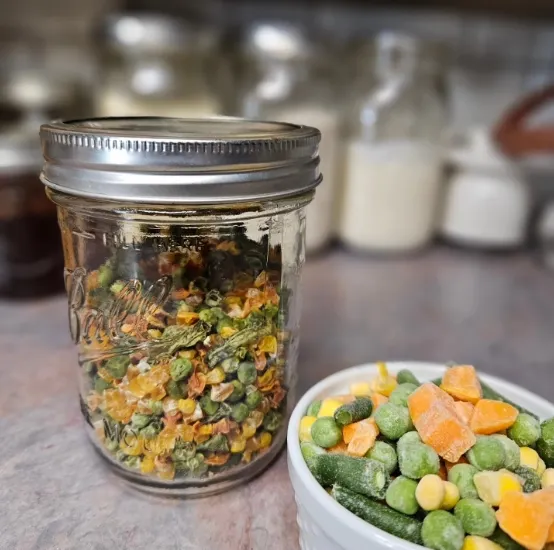
Vegetables, fruits, herbs, cooked grains, soups, meats, and many seasonings all dehydrate beautifully. Foods high in fat, such as many dairy products, are generally not recommended because they don’t store or rehydrate as well.
Choosing a Dehydrator
The dehydrator I use is the Beast by Denali.
But the Beast by Denali has been retired, so I would recommend the Excalibur dehydrator
One of the reasons I chose it is because it offers many of the heavy-duty features of larger commercial-style dehydrators while taking up less space.
Some of my favorite features include:
Six stainless steel drying racks
Durable metal construction
Easier cleaning compared to plastic trays
Excellent capacity for preserving larger harvests
If you’re shopping for a dehydrator, don’t get caught up in buying the biggest machine right away. Choose one that fits your current needs and budget—you can always upgrade later as your preservation skills grow. Excalibur dehydrator: goes from 6 to 10 trays. So get the size that fits you best

Can You Dry Different Foods Together?
Yes...with a little planning.
The biggest things to consider are drying time and odor transfer.
Foods with similar drying times usually work well together.
For example:
Strawberries, blueberries, and orange slices can often share the same batch.
Garlic and onions can be dried together.
However, I wouldn’t dry onions or garlic alongside fruit because the strong odors can transfer during the drying process. A little planning helps every batch turn out exactly how you want it
Storing Dehydrated Foods
Once your food is completely dry, moisture becomes its biggest enemy.
The goal is to keep both air and humidity away from your finished products.
Some of my favorite storage methods include:
Vacuum-sealed mason jars for pantry storage
Mylar bags for long-term storage
Oxygen absorbers for foods being stored over extended periods
Mylar bags have the added benefit of blocking light, making them especially useful for preserving herbs, coffee, spices, and other light-sensitive foods.

What Can You Dehydrate?
One of the best things about dehydrating is just how versatile it is.
Some of my favorite uses include:
Herbs for cooking
Homemade spice blends
Garlic and onion powders
Turmeric
Citrus slices for teas and home fragrances
Fruits like strawberries, blueberries, and oranges
Vegetables for soups and stews
Cooked meats for emergency meals
Soup mixes
Cooked rice for homemade instant meals
Sourdough starter for long-term storage
One of my favorite ways to reduce food waste is by dehydrating leftovers from other projects.
After making hot sauce, for example, the leftover pepper mash doesn’t get thrown away. Instead, it’s dehydrated and ground into a flavorful pepper seasoning.
It’s a great reminder that preserving food isn’t just about saving today’s harvest—it’s also about making the most of every ingredient.
A Quick Food Safety Tip
If you’d like to make flavored oils, always dehydrate your herbs, tomatoes, garlic, or peppers first.
Adding fresh ingredients directly to oil introduces moisture, which creates an environment where harmful bacteria can grow.
Using properly dehydrated ingredients greatly reduces that risk while still giving you wonderful flavor.
Application: Putting Dehydrating Into Practice
Dehydrating doesn’t have to start with a huge harvest.
The next time you have:
Extra herbs that might spoil
Leftover cooked rice
Fruit that’s getting very ripe
Extra vegetables from the garden
Citrus peels after making juice
Try dehydrating them instead of throwing them away.
You’ll quickly discover how easy it is to build a pantry full of homemade ingredients while reducing food waste at the same time.
Neighbor’s Takeaway
🌿 Dehydrating is simply removing moisture to safely extend the life of many foods.
🌿 Store dehydrated foods in airtight containers to protect them from moisture, air, and light.
🌿 You don’t need the biggest dehydrator to get started—learning the process is more important than owning the largest machine.
— Nivek
Leaf & Bean Farm
Hello Neighbor- Food Preservation: Dehydrating


Comments